I thought my dog was just getting old. I was quietly stealing her best years.
How a 9-year-old retriever who'd started skipping her evening walk went back to beating the kids to the front door, in about three weeks. No vet bills. No pills hidden in cheese.
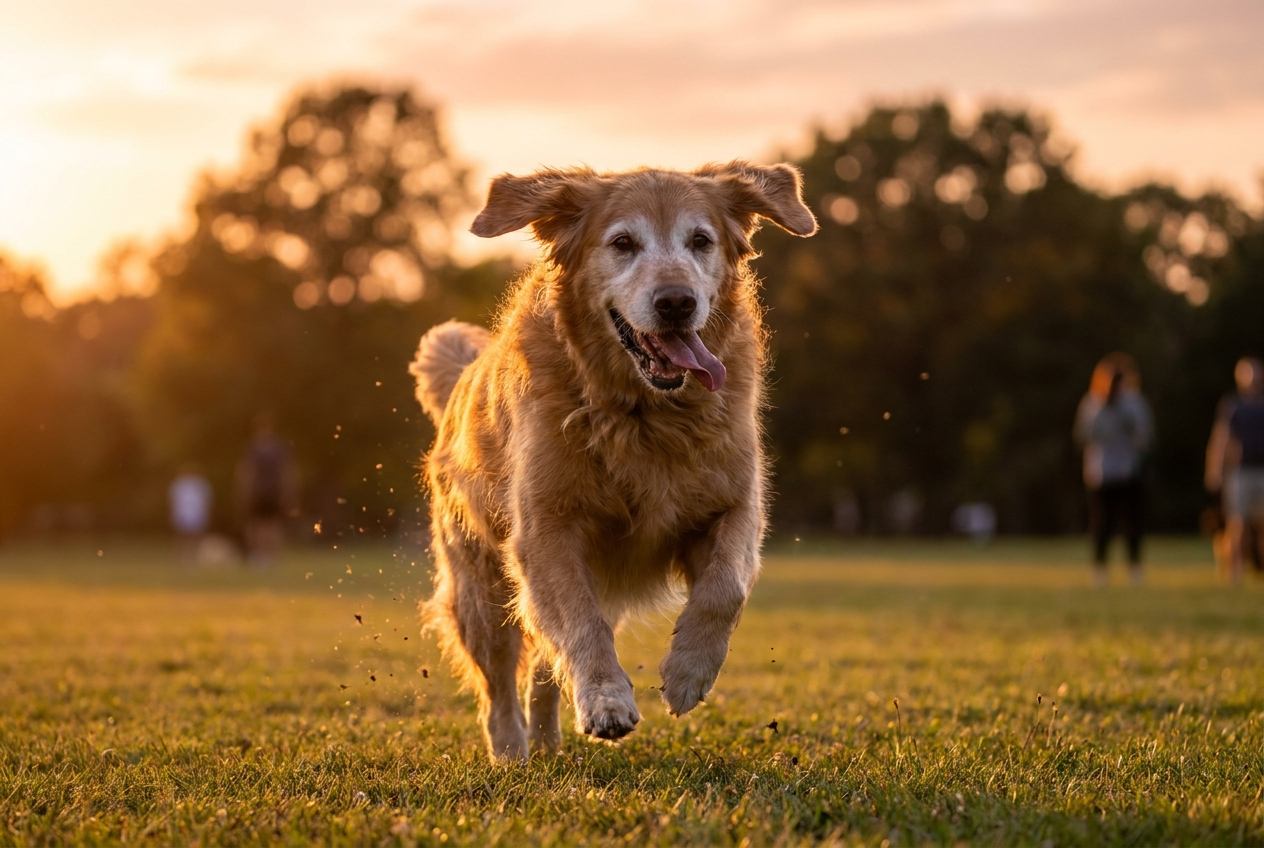
It started with the stairs.
Biscuit had bolted up our staircase ten times a day for nine years. Then one autumn she just... stopped. She'd stand at the bottom, look up, look back at me, and wait, like she was hoping I'd carry her. At first I laughed it off. She's getting older. Slowing down. It's normal.
That sentence, "it's normal," is the most expensive lie I ever told myself.
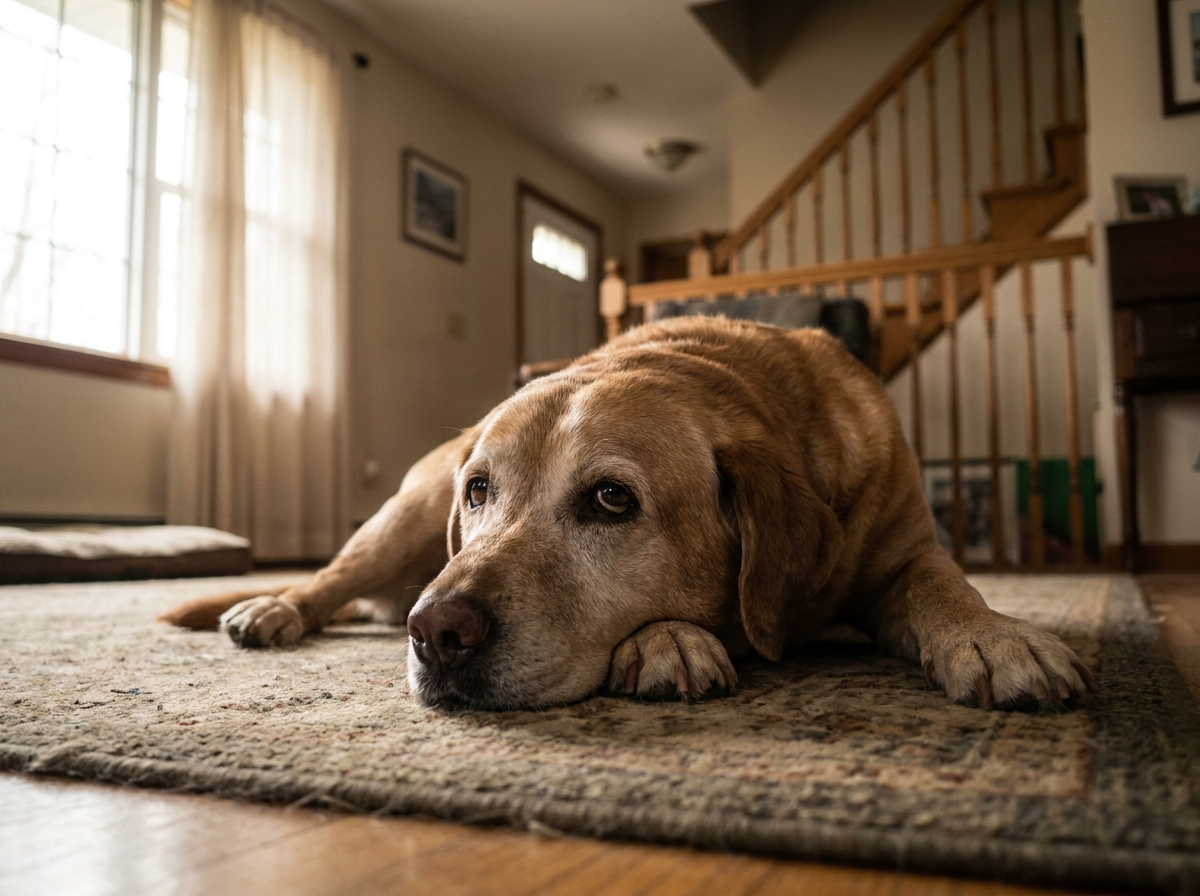
Within a couple of months the evening walks got shorter. She stopped jumping onto the couch. She'd circle three or four times before lying down, then let out this little groan that broke my heart every single time. I kept telling myself she was happy. But deep down I knew my dog was shrinking, not in size, in life.
The hardest part? She never complained. Dogs almost never do. They just quietly give up the things that used to make them happy, one by one, and we call it "aging."
What a 12-minute call with an old colleague changed
I spent six years as a vet tech before I had kids. So one afternoon I called Dani, who still works the clinic floor, half-expecting her to tell me to book an exam and brace for bad news.
Instead she asked me one question: "What are you actually doing for her joints right now?"
I went quiet. The honest answer was: nothing. I was waiting, waiting for it to get bad enough to "deserve" treatment. And Dani said the thing I've never forgotten:
By the time a dog limps, she's usually lost 30 to 50% of the cartilage in that joint. The dogs that stay young aren't lucky. Their owners just started earlier.
Why joints quietly fall apart
Here's the mechanism, minus the jargon. A dog's joints glide on a cushion of cartilage kept slick by joint fluid. Every run, every stair, every leap onto the bed wears a little of it down. When they're young, the body rebuilds it fast. As they age, production slows and the breakdown wins.
Less cushion means more friction. More friction means low-grade inflammation. Inflammation means stiffness and that quiet "I'll skip it today," which means less movement, which weakens the muscles that support the joint, and the whole thing spirals.
- Raw materials to rebuild cartilage, the building blocks like glucosamine and chondroitin.
- Something to calm the inflammation, like green-lipped mussel and turmeric, studied for exactly this.
- Lubrication and omega support, so the cushion stays slick and the body can keep up with the wear.
Dani's point: dogs don't need a miracle. They need these things consistently, in a dose they will actually eat every day.
"In a dose they'll actually eat" turned out to be the whole game. I'd tried a joint powder before. Biscuit sniffed it once and walked away like I'd insulted her. A capsule? She could find a single pill inside a meatball with surgical precision and spit it onto the floor.
The thing that finally worked
Dani pointed me to a soft chew called Tailspring Hip & Joint Mobility Chews. I was skeptical, the internet is drowning in dog supplements that are mostly filler. But two things made me try it: the doses were clinical and printed on the label, not hidden behind a "proprietary blend," and it was a soft beef-flavored chew, not a powder or a pill.
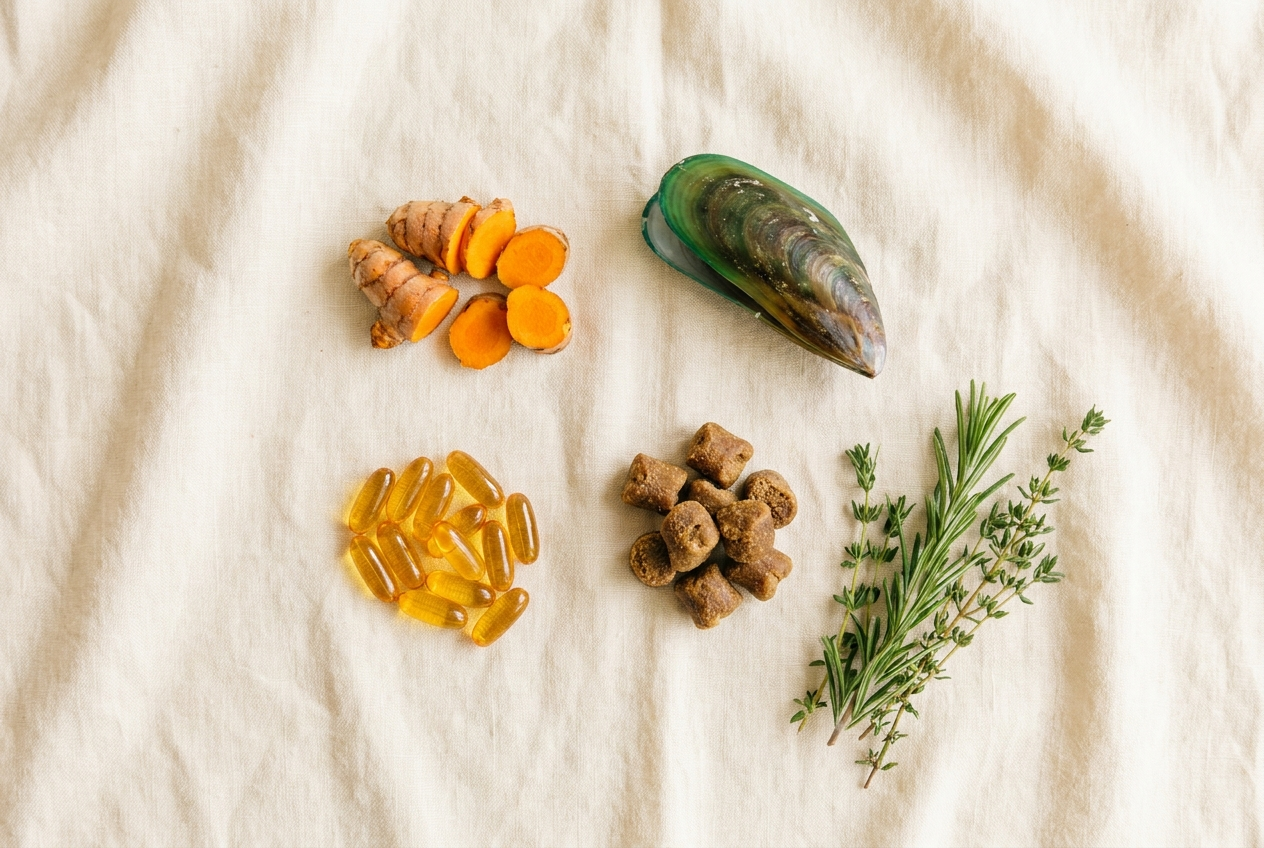
Five actives. Real doses. On the label.
No proprietary blend, no fairy dust. Here's what one chew delivers.
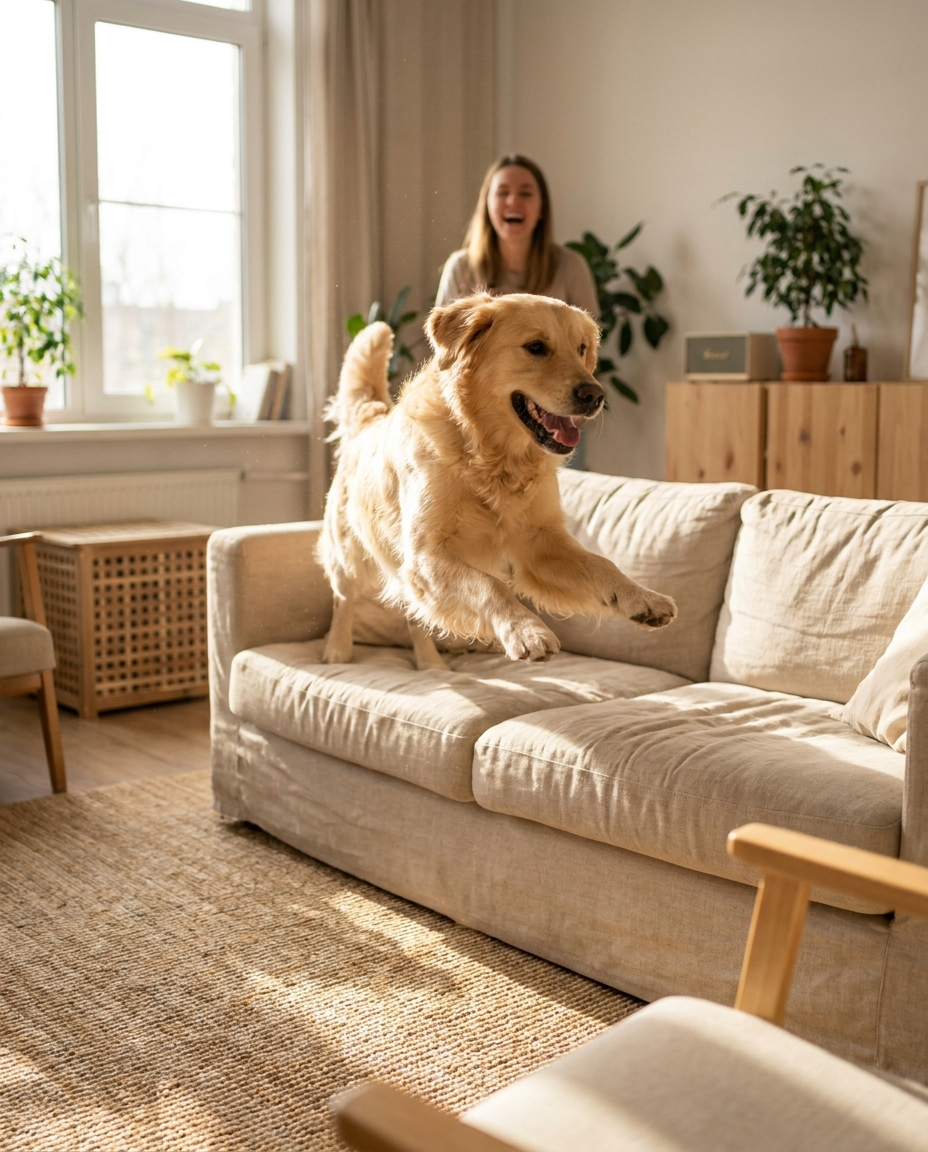
The first few days, nothing dramatic, just a dog who was suspiciously thrilled at 7am. But around week two, I caught her doing something she hadn't done in almost a year: she trotted up the stairs without thinking about it. Didn't pause. Didn't look back. Just went.
By week three she was beating my kids to the front door at the sound of the leash. I actually teared up in the hallway. I wasn't getting a "managed" dog back. I was getting her back.
See the difference for yourself
Drag the slider. Left is week one. Right is where she is now.
 Week 1
Now
Week 1
Now
How it actually works
Give one chew a day
With breakfast. That's the whole commitment. Dogs treat it like a snack, so there's no fight.
Let the actives do their job
Glucosamine and chondroitin feed cartilage repair while green-lipped mussel and turmeric calm inflammation.
Watch the small things come back
The stairs. The couch. The zoomies. The stuff you'd quietly written off as "she's just old now."
What other owners said
"Our shepherd hadn't jumped in the truck on his own in a year. Three weeks in, he did it like it was nothing. My wife called me crying."
"I've wasted so much money on powders he wouldn't touch. He inhales these. Stiffness after long walks is basically gone."
"At 13 I wasn't expecting miracles, just comfort. She's back to greeting me at the door. I got my girl back and I'm so grateful."
Okay, but is it actually different?
| Tailspring | Typical chews | |
|---|---|---|
| Clinical, labeled doses | Yes | "Blend" |
| Green-lipped mussel + turmeric | Both | Rarely |
| Dogs will eat it | Soft chew | Often refused |
| NASC / GMP certified | Yes | Varies |
| Money-back guarantee | 90 days | Usually none |
One chew a day, risk-free for 90 days
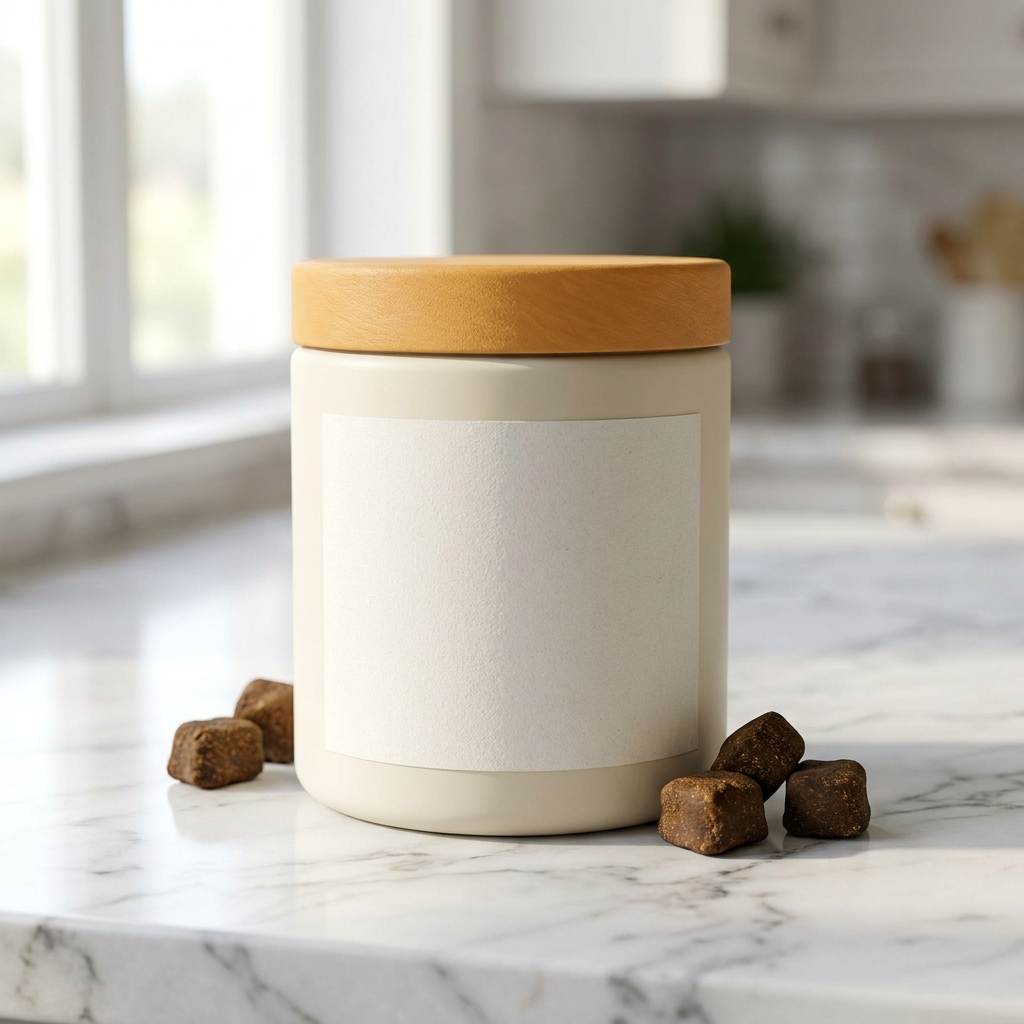
Hip & Joint Mobility Chews
One beef-flavored soft chew a day. Most dogs think it's a treat. Most owners notice a difference inside the first 30 days.
If you've been telling yourself your dog is "just getting older," please don't wait as long as I did. The cartilage you protect today is the walk you still get to take together two years from now. Give your best friend the spring back in their step. They'd do it for you.